Source Vacuum Formed Abs Flood And Drain Trays for Greenhouses
Find 30 vacuum formed abs flood and drain trays for agricultural planting, greenhouse seedling cultivation, and home vegetable growing. Compare customization options, material types like plastic and ABS, and specifications to select the right trays for your production needs; compare the available evidence and request quotations based on your requirements.
Key considerations
Products List


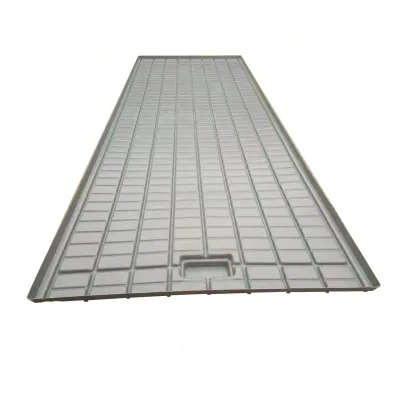


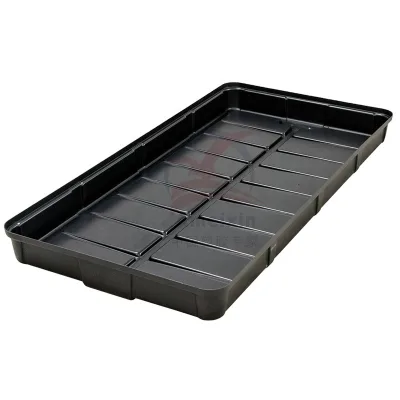
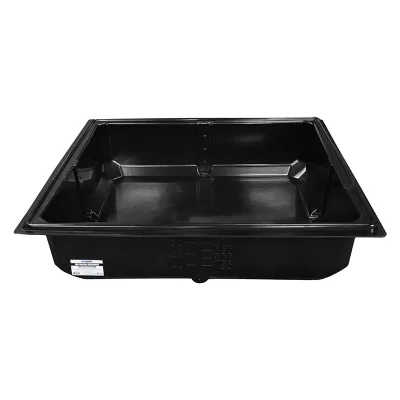


Comprehensive Sourcing Guide
Vacuum Formed ABS Flood and Drain Trays Sourcing Guide
Vacuum formed ABS flood and drain trays are engineered components designed to support seedling cultivation and hydroponic systems where precise water management is critical. These trays typically feature a robust plastic construction that resists chemical degradation while maintaining structural integrity under repeated wet-dry cycles. Buyers should prioritize units that explicitly state ABS material composition, as this offers superior impact resistance compared to standard polyethylene alternatives often found in general agricultural supplies.
The primary application for these trays involves supporting germination processes in controlled environments such as greenhouses or indoor growing facilities. Procurement teams must verify that the selected models align with specific crop requirements, including vegetable, fruit, and flower cultivation, as indicated by observed product attributes. Ensuring the tray dimensions match the intended growing tables or rolling benches is essential for optimizing space utilization and maintaining the stability required for high-density planting operations.
Product Scope and Observed Listing Signals
Market listings for these trays reveal a diverse range of specifications, including single and double-layer configurations that cater to different depth requirements for root development. Some observed models feature specific dimensions such as 19x15x9.5cm or larger custom sizes, indicating that buyers must carefully match the tray footprint to their existing infrastructure. The availability of customization services suggests that suppliers can adapt standard designs to meet unique operational needs, though this often requires a higher minimum order quantity.
Color variations observed in the market include black, white, and gray options, which may influence light reflection and temperature regulation within the growing environment. While some listings highlight advantages like increased germination rates and shortened growth times, these claims should be treated as product-specific observations rather than universal guarantees. Buyers should scrutinize the listed usage details to confirm suitability for specific applications like seeding germination or production greenhouses before committing to a bulk purchase.
Technical Specifications to Verify
Dimensional accuracy is a critical verification step, as observed listings show significant variance in standard sizes ranging from compact 54x28cm units to larger configurations up to 1000mm in length. Buyers must confirm whether the tray height, such as the observed 70mm specification, aligns with the depth requirements of their specific seedling varieties to prevent root binding or waterlogging. Additionally, verifying the compatibility with table heights, which may be 70cm or customized, ensures a seamless integration into the existing greenhouse or nursery layout.
Material composition extends beyond the primary ABS body to include supporting structures like galvanized sheet brackets or stainless steel components in some hybrid designs. It is vital to distinguish between the cover material, which may be a plastic sheet, and the structural frame material to ensure durability against corrosion and mechanical stress. The presence of features like stable structures and easy installation mechanisms should be validated against the specific physical demands of the intended growing system to prevent premature failure.
Compliance and Safety Documentation
While specific certification data in the provided context is limited, buyers should request evidence of ISO compliance or similar quality management standards to ensure consistent manufacturing processes. The absence of explicit certification details in general listings necessitates a proactive approach where procurement teams demand documentation for material safety and structural integrity before finalizing orders. This due diligence is particularly important for products intended for food-producing applications where chemical leaching or structural collapse could pose significant risks.
Safety documentation should also address the operational stability of the trays, especially when loaded with heavy substrates and water. Buyers must verify that the product design supports the intended load without deformation, as indicated by features like stable structures in some listings. Ensuring that the supplier provides clear instructions for use and support mechanisms helps mitigate risks associated with improper installation or overloading, which are common causes of equipment failure in agricultural settings.
Cost Drivers and Commercial Terms
Pricing for vacuum formed ABS trays varies significantly based on material quality, customization levels, and order volume, with observed ranges spanning from nominal unit costs to substantial bulk prices. The minimum order quantity, which can range from single items to 1000 units, acts as a primary cost driver, often requiring buyers to balance inventory needs against upfront capital expenditure. Customization services, such as tailored dimensions or branding, typically incur additional fees and may extend lead times, necessitating careful financial planning.
Commercial terms must clearly define the packaging standards, as observed listings indicate carton box packaging for individual units or larger consolidated shipments. Buyers should clarify whether the single gross weight and package dimensions provided align with their logistics capabilities to avoid unexpected shipping surcharges. Understanding the relationship between the selling units and the total order value is essential for negotiating favorable terms and ensuring that the total cost of ownership remains within budget constraints.
Supplier Qualification and Quality Control
Supplier qualification should focus on verifying the origin of the products, with observed data pointing to manufacturing hubs in China, specifically regions like Jiangsu and Hebei. Buyers must assess the supplier's capacity to deliver consistent quality across large batches, as variations in vacuum forming processes can lead to inconsistencies in wall thickness and structural strength. Requesting samples from different production runs allows for a practical evaluation of the product's durability and adherence to the stated specifications.
Quality control protocols should include checks for material purity and the integrity of the vacuum-formed shape, ensuring there are no weak points or defects that could compromise performance. Suppliers offering customized OEM services should demonstrate a robust process for maintaining quality standards during the adaptation of standard designs. Establishing a clear communication channel for addressing potential defects or deviations from the agreed-upon specifications is crucial for maintaining a reliable supply chain.
Long-Term Procurement Checks
Sustaining a successful procurement relationship requires regular audits of the supplier's ability to maintain consistent product attributes over time. Buyers should monitor the longevity of the trays, as observed advantages like long life and easy installation are key indicators of value that must be validated through extended use. Periodic re-evaluation of the product's performance in the actual growing environment ensures that the initial selection continues to meet operational needs as crop varieties or system configurations change.
Future procurement strategies should account for the potential need for replacement parts or additional units to expand operations. Maintaining a record of the specific model numbers, such as GN0130S or ZK-001, ensures that future orders match the existing inventory and infrastructure. Regularly reviewing the supplier's lead times and production capacity helps prevent supply chain disruptions, ensuring that the critical growing cycles are not interrupted by material shortages or delivery delays.
FAQs
What materials are used for these trays?
These trays are primarily manufactured from ABS plastic, ensuring durability and resistance to environmental stress. Some variants also incorporate stainless steel or galvanized sheet components for structural support. The cover material is typically a plastic sheet, providing a robust barrier. This combination of materials supports long life and easy installation for various agricultural applications.
Can these trays be customized for specific needs?
Yes, customization is available for these products to meet specific project requirements. Buyers can request customized OEM services, including tailored sizes and specifications. The product supports various dimensions, such as 19*15*9.5cm or 54*28cm, depending on the model. This flexibility allows for precise integration into different greenhouse or planting setups.
What is the typical packaging for these items?
The standard packaging for these trays is a carton box, designed to protect the items during transit. This method ensures that the ABS plastic or metal components remain undamaged upon arrival. The packaging is suitable for single item selling units, facilitating easy handling and storage for buyers. It supports efficient logistics for both small and bulk orders.
Where are these products manufactured?
These products originate from China, with specific manufacturing locations including Jiangsu, Changzhou, and Hebei. This regional sourcing provides access to established industrial supply chains. The origin ensures compliance with local production standards while offering competitive pricing. Buyers can expect consistent quality from these designated manufacturing hubs in China.
What are the main advantages of using these trays?
The main advantages include increasing the germination rate of seeds and shortening growth time. These trays are designed for stable structure and easy installation, enhancing operational efficiency. They are suitable for growing vegetables, fruits, and flowers in greenhouses. The durable materials ensure long life, making them a cost-effective solution for agricultural planting.
What certifications do these products hold?
These products are associated with ISO certification standards, indicating adherence to quality management principles. While specific ISO9001 details are background information, the presence of certification suggests a commitment to standardized production processes. Buyers should verify specific certification documents with suppliers for detailed compliance requirements relevant to their regional regulations.